A drywall job can look straightforward until the paint goes on. A Grey Bruce drywall contractor is often called in when a wall needs repair, a basement is being finished, or a renovation is ready for its final interior surface. The difference is in the details: solid board installation, clean joints, controlled sanding, and a finish that does not show every seam in afternoon light.
For homeowners, builders, and property managers, hiring a dedicated drywall contractor helps keep this stage of the project clear. Drywall is not just about covering studs. It is about creating walls and ceilings that are straight, durable, and ready for paint, trim, cabinets, or fixtures.
What a Grey Bruce Drywall Contractor Should Help With
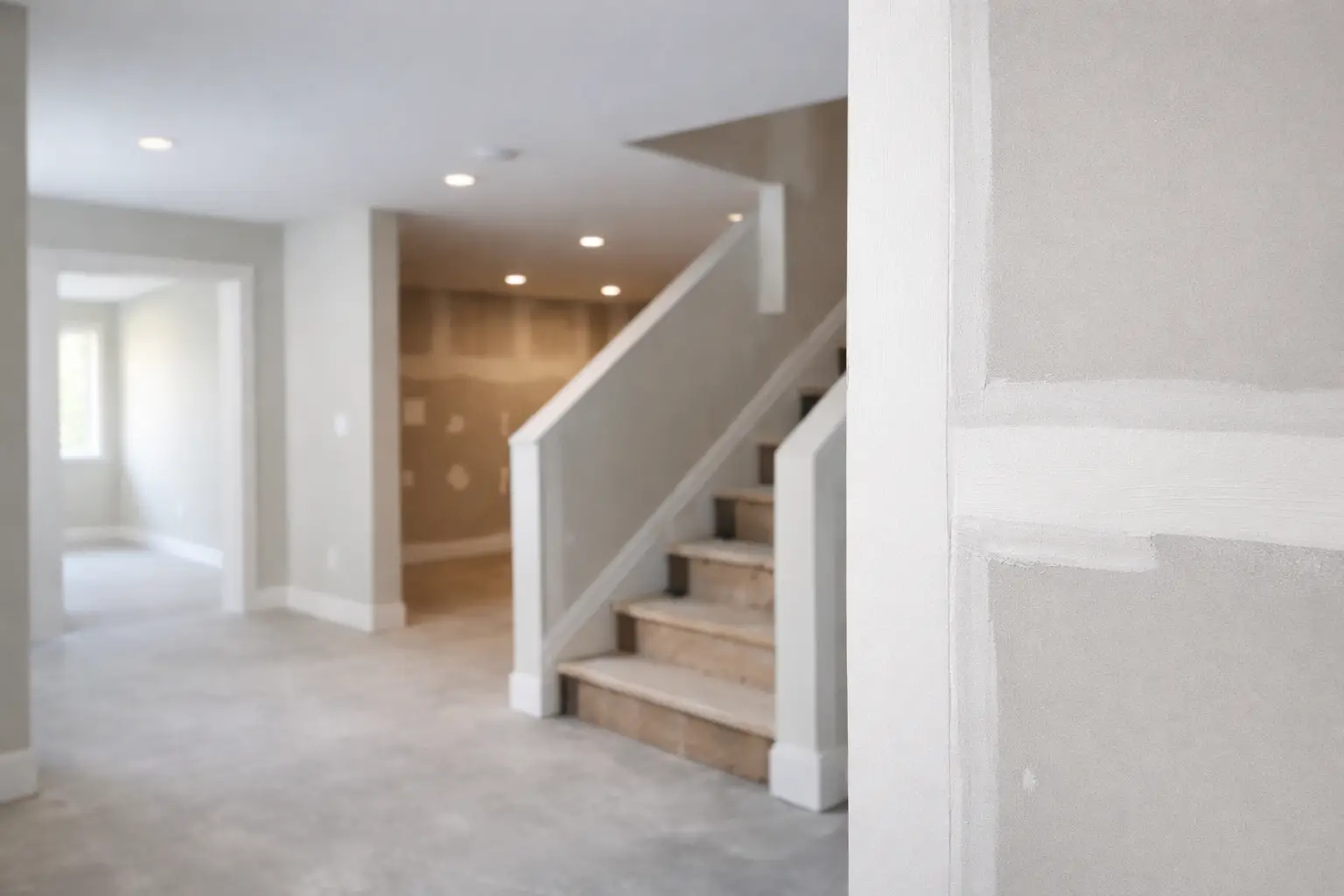
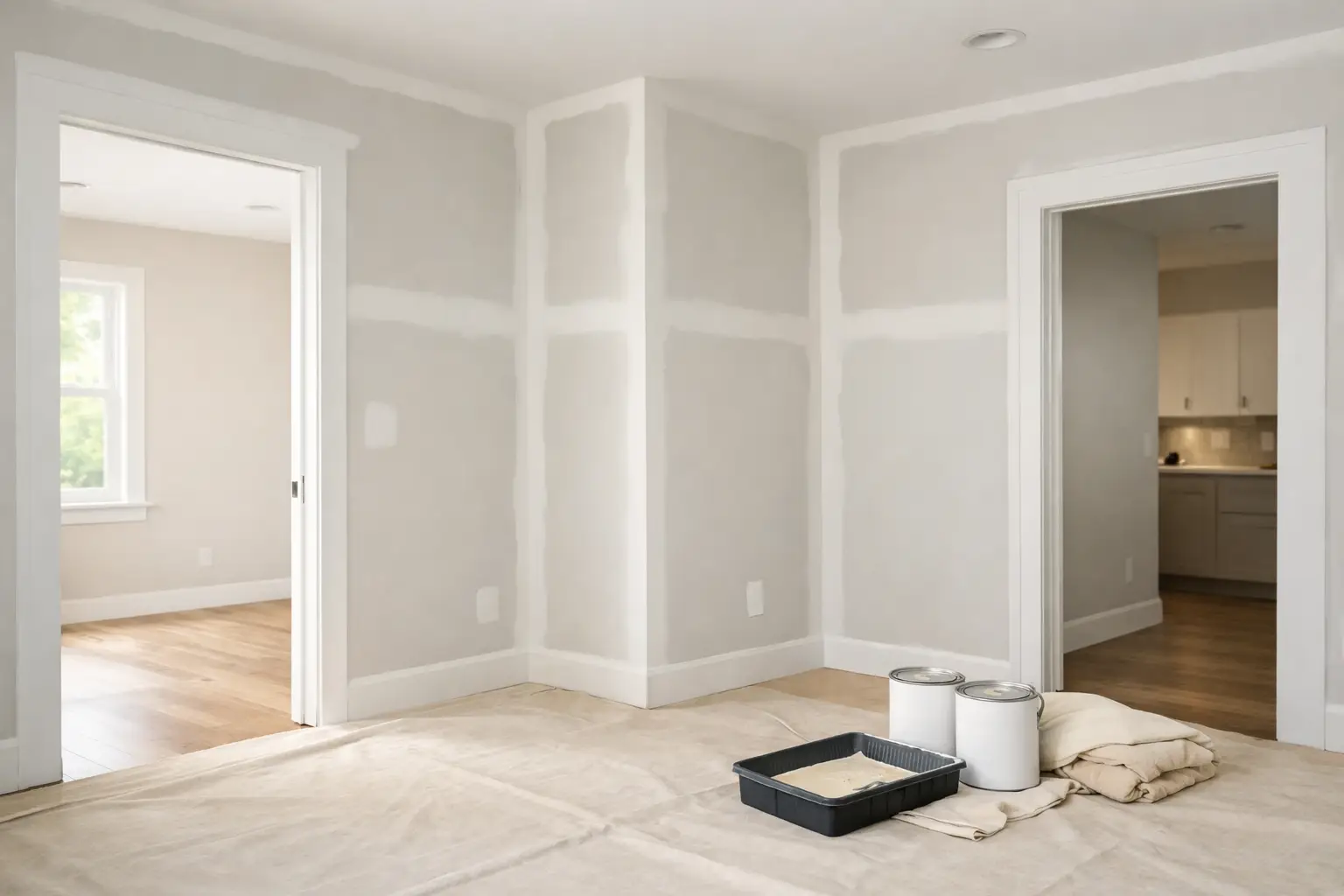
Drywall work commonly starts after framing and other rough-in work are complete. In a new build or addition, the job may include hanging drywall on walls and ceilings, taping joints, applying compound, sanding, and preparing the surface for painting. In a renovation, the scope may be smaller but more detailed, especially where new drywall must blend into existing rooms.
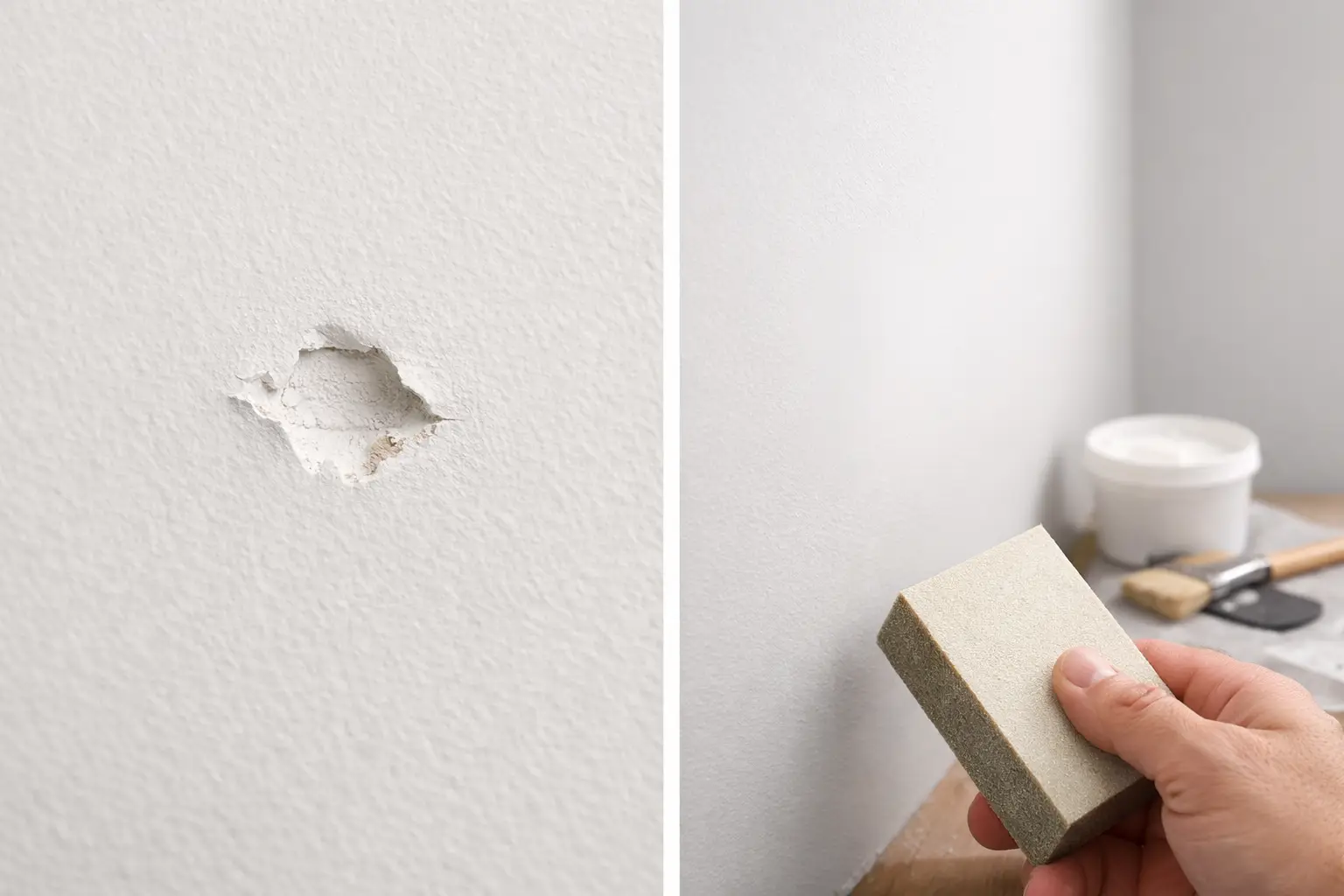
Repair work has its own challenges. A small hole is usually simple, but larger openings, damaged corners, cracked joints, or patches around removed fixtures need proper backing and finishing. A repair should sit flat, follow the surrounding surface, and disappear as much as possible once painted. That is harder to achieve when the existing wall has texture, uneven lighting, or several older patches.
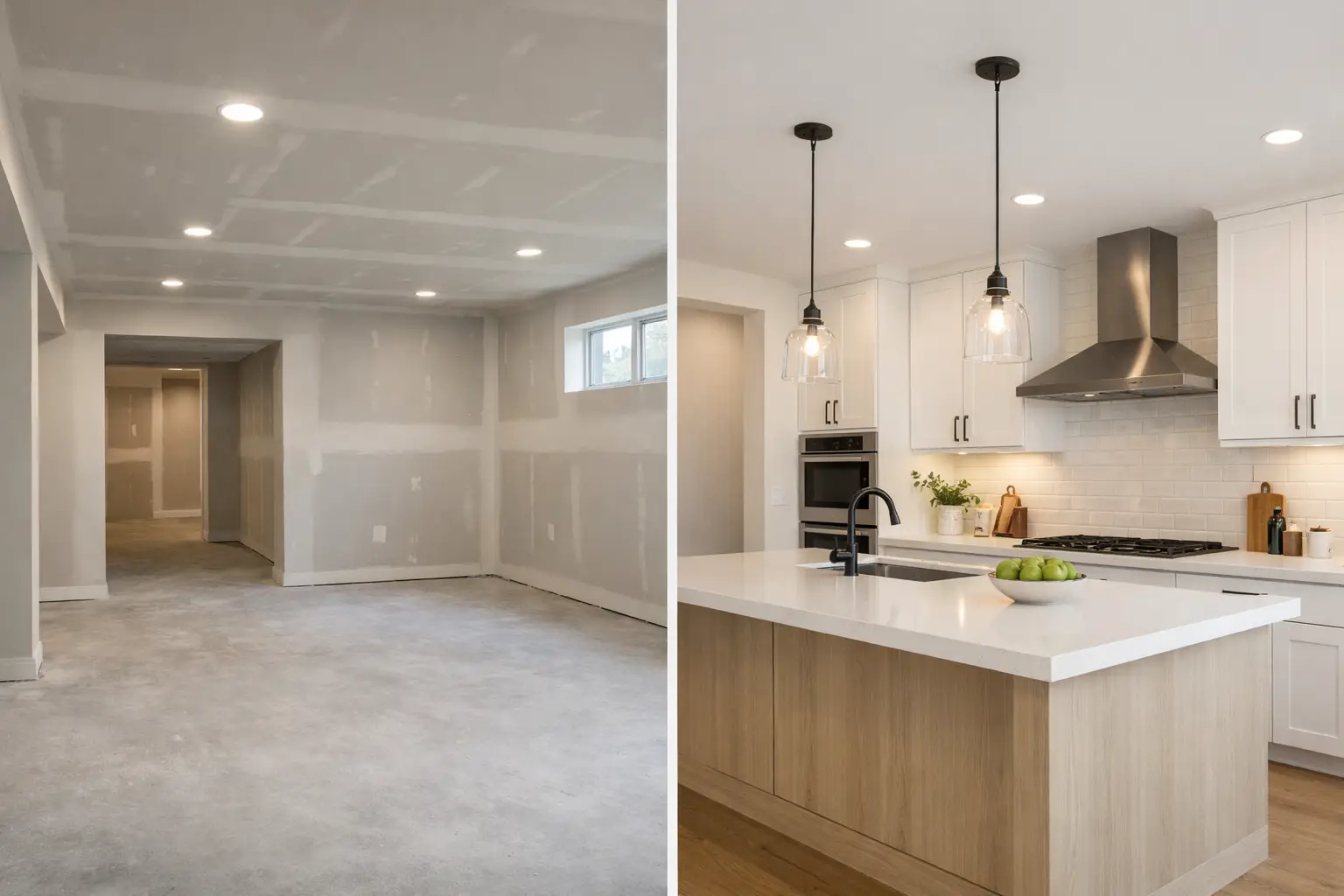
Basements, garages, rec rooms, bedrooms, offices, and small commercial spaces all have different demands. A basement may involve many bulkheads, soffits, window returns, and tight mechanical areas. A garage may have high ceilings or require careful work around framing details. A small office renovation may need work completed in stages so the space remains usable. The best approach depends on the room, the condition of the existing surfaces, and what happens next in the project.
Start With a Clear Scope of Work
Before work begins, it helps to know exactly what is included. This avoids confusion between the framing stage, drywall stage, painting stage, and the trades that work before or after drywall.
For a new installation, clarify which walls and ceilings are being covered, whether insulation and vapour barrier are already complete where required, and whether drywall will be installed on bulkheads, closets, stairwells, or window returns. If a renovation includes a mix of old and new areas, identify which surfaces are being repaired and which are being replaced.
Finishing expectations also matter. Most painted residential walls need a smooth, consistent finish, but the room’s lighting can change what is visible. Large windows, pot lights placed close to a wall, and glossy paint can reveal minor surface variation more easily than a lower-light room with flat paint. Discussing these conditions early helps set the right expectations for preparation and finishing.
A drywall contractor should also know whether trim, cabinets, tile, wall panels, or shelving will be installed later. These details affect where clean edges are needed and whether certain surfaces will remain visible.
Installation Matters Before Taping Begins
A paint-ready finish begins with properly installed board. Drywall needs to be fitted and fastened carefully so joints are supported and surfaces remain as flat as possible. Poor board placement can leave unnecessary gaps, uneven transitions, or joints that are more difficult to finish cleanly.
Ceilings deserve particular attention. They are often viewed under direct light and can show seams or waves more readily than walls. Rooms with open layouts, tall ceilings, or long sightlines require careful planning because the finished surface is visible from several angles.
Corners, door openings, and outside edges are also common trouble spots. These areas need the right finishing materials and a careful hand because they take everyday wear. A well-finished corner should be straight and durable, not bulky or prone to chipping.
For renovation work, existing conditions can affect the installation. Older framing may not be perfectly straight, and previous repairs can leave uneven surfaces. The goal is not to pretend those conditions do not exist. It is to assess them, make practical adjustments, and create the best finished result for the space.
Taping, Mudding, and Sanding Are Separate Steps
People often refer to all drywall finishing as “mudding,” but the process involves several connected stages. Joints are taped, compound is applied in coats, fasteners are covered, and corners and edges are finished. Each coat needs adequate drying time before the next stage can move ahead.
Sanding is necessary, but more sanding is not automatically better. The goal is to smooth the surface without damaging the paper face of the drywall or creating dips around joints. Clean work practices also matter, particularly in occupied homes, rental units, and commercial spaces where dust control and orderly cleanup make the project easier to manage.
Drywall compound can look finished before it is actually ready for paint. A surface may need a final inspection after sanding, especially in strong natural light. Small touch-ups at this stage are normal and help the painter start with a more consistent surface.
Timelines Depend on More Than Room Size
A small patch can sometimes be completed quickly, while a larger basement or new construction project takes longer because there are more joints, corners, coats, and drying cycles. Square footage matters, but it is not the only factor.
Project timing may also be affected by ceiling height, the number of rooms, access to the space, the amount of repair needed, and the condition of the work area. Complex layouts with stairwells, angled ceilings, bulkheads, or many cut-outs generally require more time than a simple rectangular room.
Drying conditions are another practical consideration. Drywall compound needs suitable conditions between coats. Trying to rush the process can affect the finish and create delays later when sanding or touch-up work is required. A dependable schedule allows for the actual work involved rather than treating all drywall jobs as identical.
Questions Worth Asking Before You Hire
When speaking with a contractor, focus on the work itself. Ask whether the job includes installation, finishing, repairs, or all three. Confirm how existing damage or uneven walls will be handled, what preparation is needed before the crew arrives, and what condition the space should be left in for painting or the next trade.
It is also useful to discuss access. Can materials be brought directly into the space? Are there finished floors, furniture, or nearby rooms that need protection? Is the work area empty, occupied, or being shared with other trades? Clear answers help prevent avoidable delays.
For repair work, provide photos and explain what caused the damage if known. For larger projects, a site visit usually gives a better picture of the layout, ceiling details, and the transition between new and existing surfaces. Clear communication at the start is often what keeps a drywall project moving smoothly.
Local Drywall Work for Real Project Conditions
In Owen Sound and across Grey and Bruce County, drywall projects range from one-room repairs to full basement renovations, additions, garages, and new homes. A local contractor understands that projects do not always arrive in perfect condition. Framing may have changed, a previous repair may need correction, or a renovation schedule may require the drywall work to fit between other stages.
Meg’s Drywall focuses on the drywall portion of the job: installation, repairs, taping, mudding, sanding, and practical paint-ready finishing. That trade focus is valuable when the walls and ceilings need careful attention rather than a rushed final pass.
The right contractor is not simply the first person available to hang board. Look for someone who asks useful questions, understands the scope, explains what the finish will involve, and treats the preparation as seriously as the final sanding. Good drywall work gives the rest of the room a clean surface to build on.