A wall can look fine from across the room and still show every flaw once the paint goes on. Raised tape joints, uneven patches, sanding scratches, and corners that do not run straight are usually finishing problems, not paint problems. That is why searching for the best drywall contractors near me should involve more than choosing the first name that appears in a map listing.
For homeowners, builders, and property managers in Owen Sound and Grey Bruce, the right drywall contractor should understand the scope of the work, explain the process clearly, and leave a finish that is ready for the next trade. Whether you need a small repair after plumbing access has been closed, a basement renovation, a garage, an addition, or drywall for a new build, a few practical checks can make the hiring decision much easier.
Start With the Type of Drywall Work You Need
Drywall is often grouped into one service, but installation, repair, and finishing require different planning. A contractor may be a good fit for a larger new-construction job but not take on small patching work, while another may focus on repairs and renovation finishing. Be clear about what you are asking for before you request an estimate.
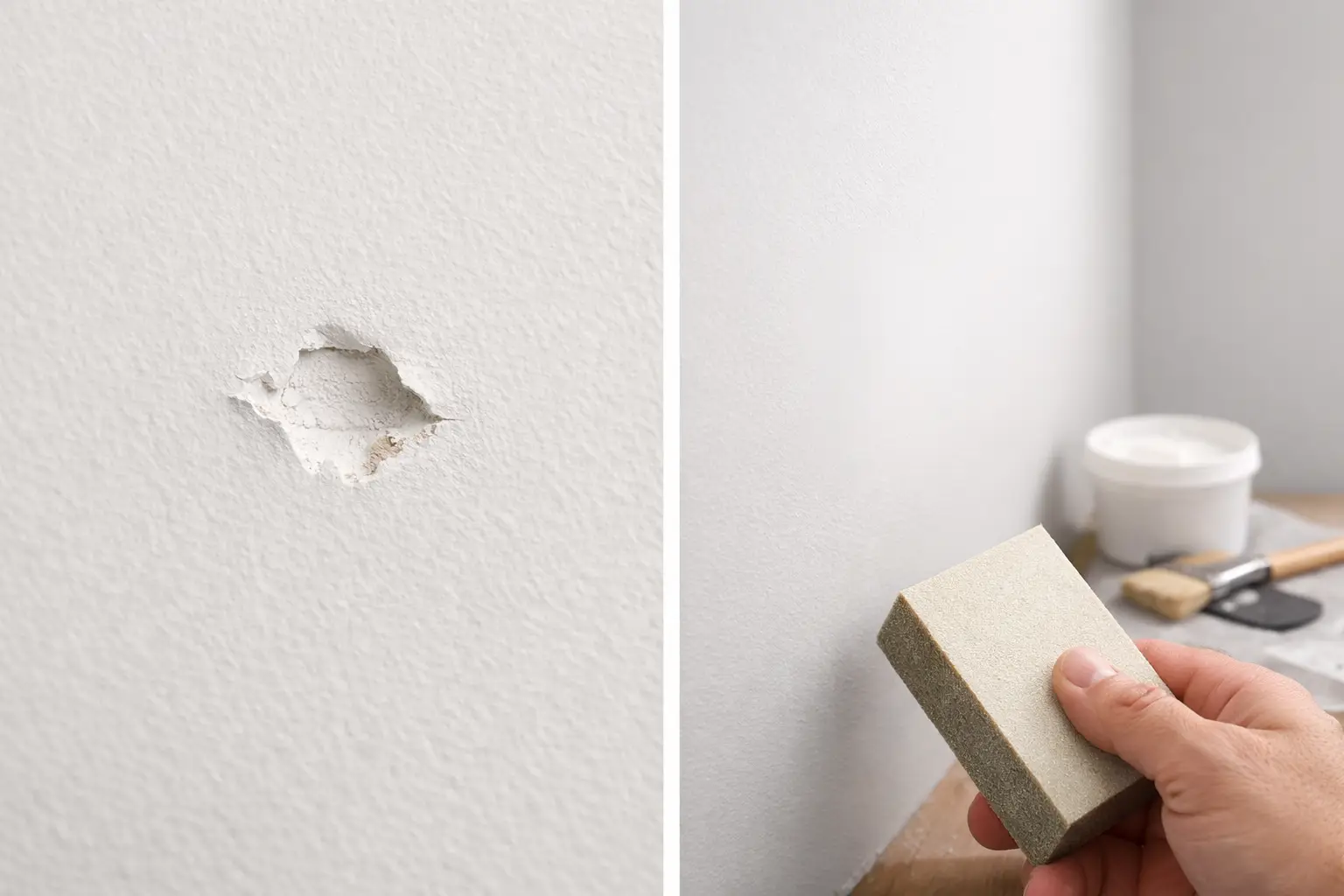
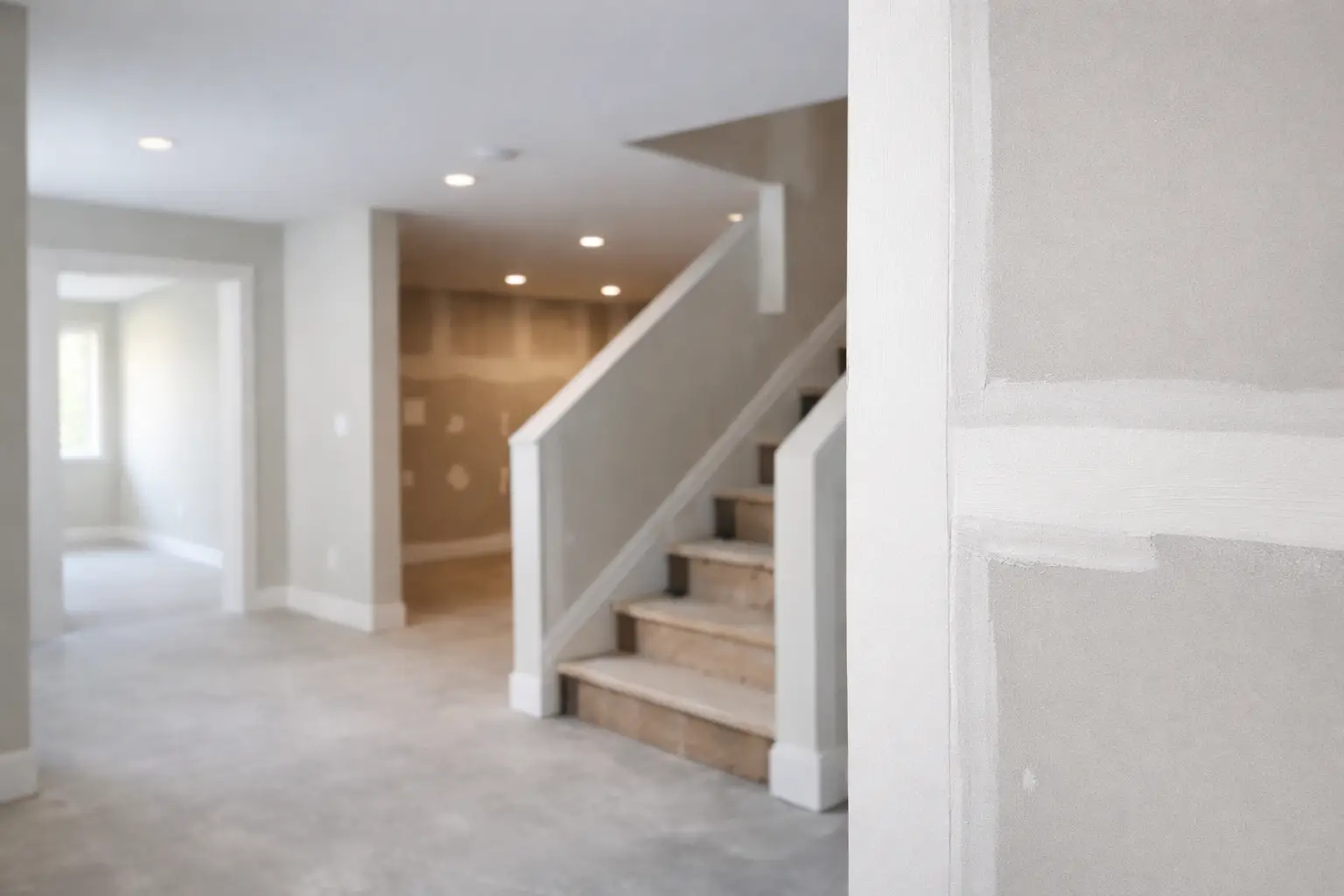
For example, a repair may involve replacing damaged board, reinforcing the patch, taping joints, applying compound in stages, sanding, and blending the repair into the surrounding wall. A basement project may require drywall on exterior walls, partitions, bulkheads, ceilings, and stair openings. A new build or addition can involve hanging a large volume of board followed by detailed taping and finishing throughout.
The condition of the space also matters. If framing is still being adjusted, insulation is incomplete, or other work will continue to cut into the walls, drywall should not be rushed. A dependable contractor will tell you what needs to be ready before installation begins rather than trying to finish around avoidable disruptions.
What the Best Drywall Contractors Near Me Should Explain
A useful conversation with a drywall contractor is specific. You should come away knowing what work is included, what the finished surface is intended for, and what conditions could affect timing. Vague answers can lead to mismatched expectations, especially on renovations where existing walls are rarely perfectly flat or square.
Ask how the contractor plans to handle seams, inside corners, outside corners, ceiling joints, patches, and transitions between old and new drywall. These are the areas most likely to stand out under natural light or after painting. If you have an open-concept room, a long hallway, a stairwell, or a ceiling with large windows nearby, point that out. Directional light can reveal small imperfections that are less noticeable elsewhere.
It also helps to discuss the desired finish before work begins. Most residential spaces need a smooth, paint-ready result, but the appropriate level of finishing depends on the final wall covering, lighting, and surface texture. A contractor should be able to explain the difference in plain language and recommend an approach that suits the room rather than treating every job the same.
Look at Relevant Experience, Not Just General Reviews
Online reviews can be helpful, but they do not tell the whole story. Read for details about communication, cleanliness, reliability, repair quality, and the final finish. A short review that says a contractor was “great” provides less useful information than one that describes a basement ceiling, a renovation patch, or a paint-ready finish.
Ask about work similar to your own. A drywall repair in a finished living room calls for careful containment, matching, and tidy work habits. Drywalling a new garage may involve a different pace and different site conditions. Small commercial spaces can require coordination with a builder, property manager, painter, or other trades. Experience should match the job in front of you.
Photos can also help, provided you know what you are looking at. Finished walls under flat lighting may look smooth in any photo. Pay closer attention to long seams, ceiling lines, corner beads, door openings, bulkheads, and areas where a patch joins an existing wall. Those details show the care taken during installation and finishing.
Give Clear Information When Requesting an Estimate
A good estimate starts with good project information. You do not need to know drywall terminology, but sharing a few details will help the contractor assess the work properly. Mention the room or area, approximate size, whether the job is a repair or new installation, the current stage of the renovation, and your expected schedule.
Photos are often useful for smaller repairs and preliminary discussions. Include wider shots to show the room and closer shots to show the damaged area, seams, cracks, holes, or unfinished sections. For larger projects, an on-site visit may be needed to see ceiling height, access, framing, existing wall conditions, and the amount of detail involved.
Do not compare estimates only by the bottom-line number. One scope may include hanging, taping, mudding, sanding, corner bead, and clean-up, while another may cover only part of that work. Clarify whether drywall materials are included, whether the ceiling is part of the scope, and whether the quote accounts for patches, bulkheads, window returns, or difficult access. A lower figure is not automatically the better value if important work has been left out.
Understand What Affects the Schedule
Drywall finishing takes time because joint compound needs to dry between coats. The number of coats, room temperature, humidity, ventilation, repair depth, and the level of finish all affect the schedule. A contractor can plan efficiently, but drying cannot be treated as an instant step without risking poor results.
Renovations also create variables. Existing walls may have uneven framing, previous repairs, old corner bead, or surfaces that need more preparation than expected. Large patches sometimes require wider feathering than people anticipate so the repaired area disappears after paint. That extra work is often what separates an obvious patch from a clean-looking wall.
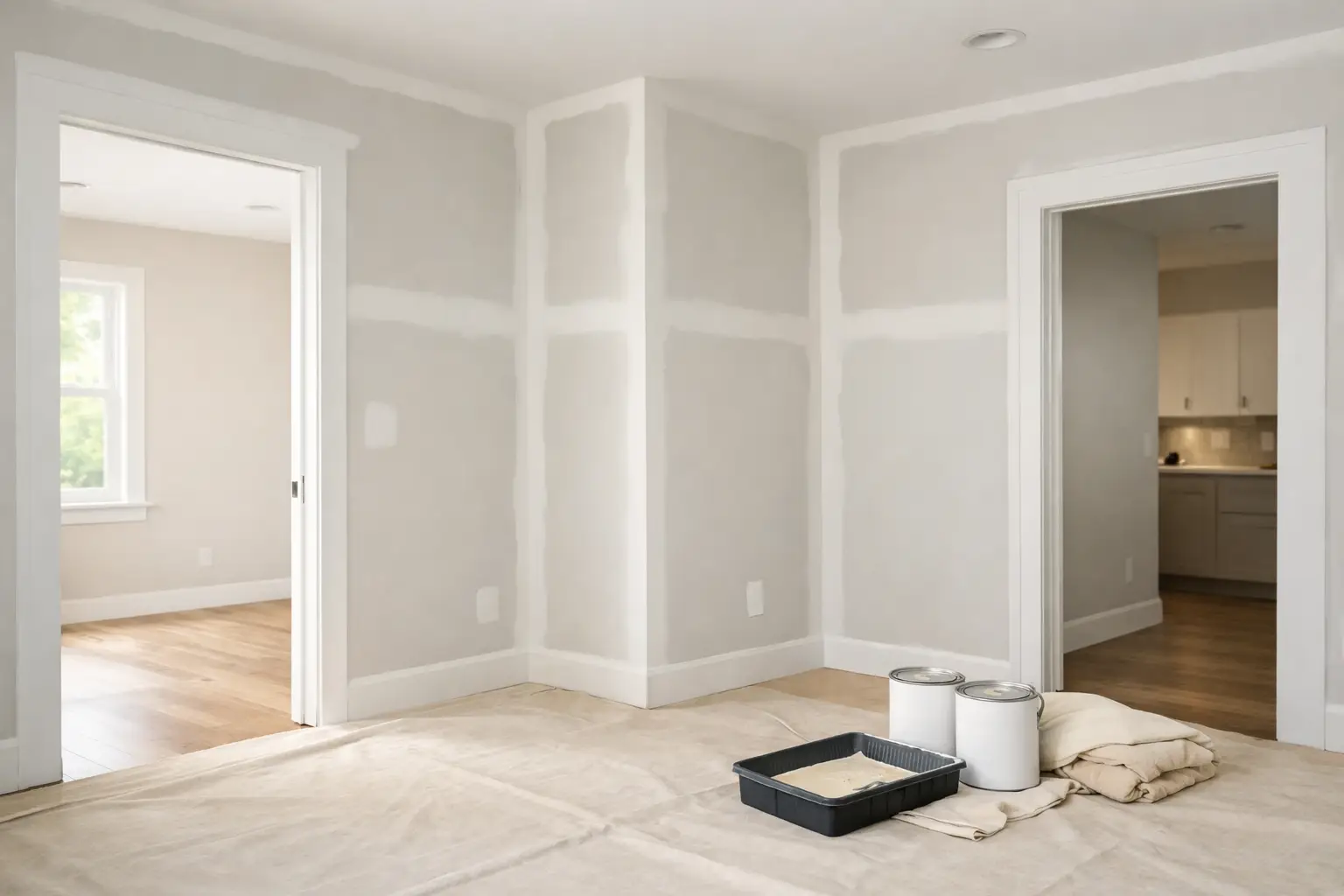
Coordinate with your painter as well. Fresh drywall compound should be properly dry, sanded, and prepared before primer and paint are applied. A rushed paint schedule can make minor surface variations more visible, particularly with dark colours, satin or semi-gloss paint, and strong side lighting.
Choose Communication You Can Rely On
The best contractor for your project is not necessarily the one who promises the fastest start. A better sign is clear communication about availability, site readiness, the work sequence, and what the finished result will look like. You should know who is doing the work, when they expect to be on site, and what you need to do before they arrive.
For occupied homes, ask how the work area will be managed. Drywall sanding creates fine dust, even with careful preparation. Discuss access routes, furniture protection, rooms that need to stay usable, and any pets or household routines that may affect the work. For builders and renovators, confirm when framing, mechanical work, inspections, and other site tasks will be complete enough for drywall to proceed.
Local knowledge has practical value here. A contractor working regularly across Owen Sound, Grey County, and Bruce County is familiar with the mix of older homes, cottages, additions, basement renovations, and new builds found throughout the area. Meg's Drywall focuses specifically on drywall installation, repairs, taping, mudding, sanding, and finishing for these kinds of projects.
Watch for Red Flags Before Work Begins
Most hiring problems can be avoided early. Be cautious if a contractor will not clearly describe the scope, cannot answer basic questions about preparation and finishing, or pushes you to make a decision before you understand what is included. You should also be wary of a quote that seems unusually low without a clear explanation of materials, preparation, or finishing steps.
Another concern is a contractor who dismisses visible site issues. If framing is noticeably uneven, if there are unresolved openings, or if the space is not ready for drywall, those conditions should be discussed. Drywall can improve the appearance of a room, but it cannot correct every underlying issue without proper preparation.
The same applies to promises that sound too broad. Drywall work is skilled, detailed work, and every project has variables. A contractor who explains those variables honestly is usually giving you more useful information than one who offers quick assurances without seeing the job.
Make the Final Choice Based on Fit
When you narrow down your options, choose the contractor whose experience, scope, communication, and schedule fit your project. A small wall repair does not need the same approach as a whole-home renovation, and a basement ceiling may deserve more attention than a straightforward bedroom wall. The right fit is the person who understands that difference and plans the work accordingly.
Before booking, make sure you have a shared understanding of the areas being worked on, the finish expected, the approximate timing, and what must be ready on site. That simple clarity protects the project from surprises and helps the drywall work move forward properly. A clean, well-finished wall is built through careful preparation and patient finishing - long before the first coat of paint makes it look complete.